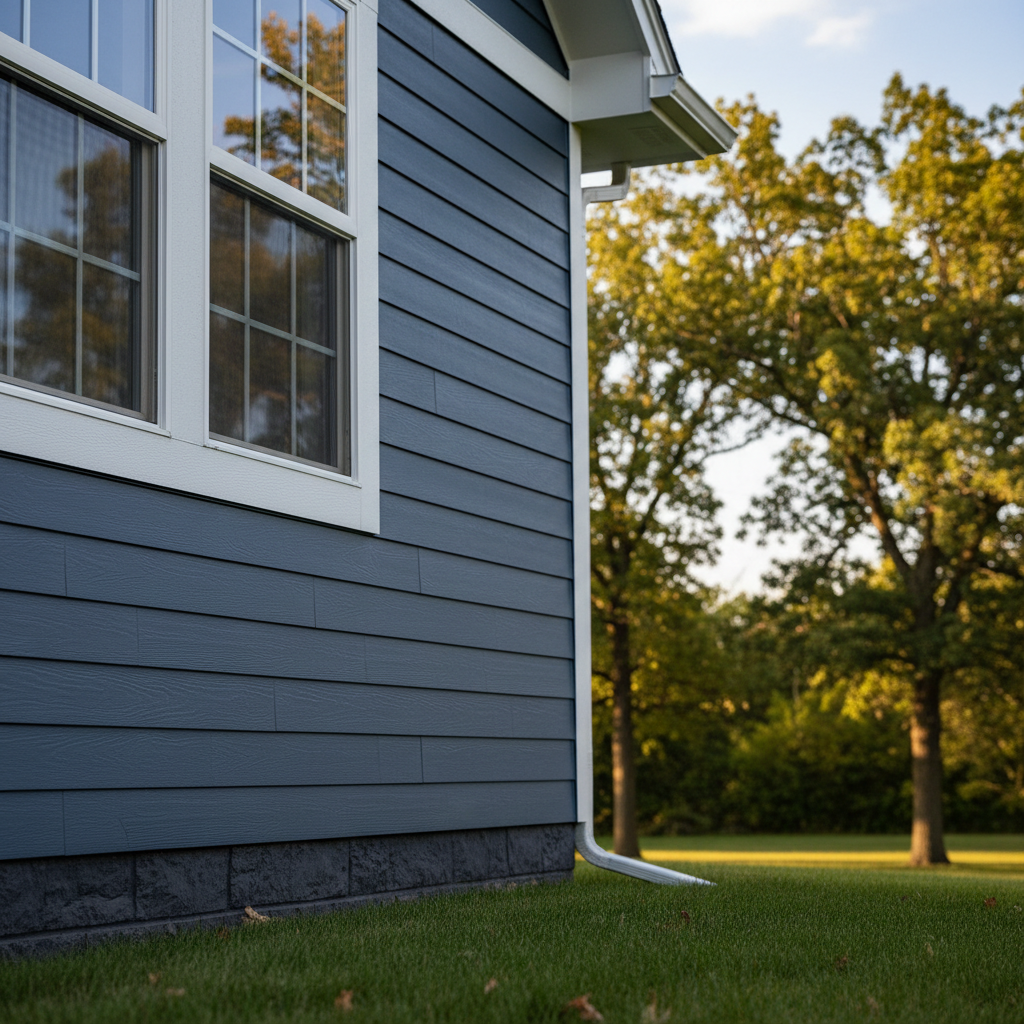
Alright, let's talk James Hardie siding. I get a lot of questions about this stuff, and for good reason. It's a premium product, and you want to make sure you're making the right choice for your home here in Bellevue. I've installed plenty of it, and I've seen how it holds up through our crazy Nebraska weather — those hot, humid summers and the brutal, icy winters. So, let's cut to the chase and answer some of the most common questions I hear.
What exactly is James Hardie siding? Is it just fancy cement?
No, it's not just fancy cement, though cement is a big part of it. James Hardie siding is a fiber cement product. That means it's made from a mix of cement, sand, water, and cellulose fibers. This combination gives it some really unique properties. It's incredibly durable, much more so than vinyl, and it won't rot or get eaten by pests like wood can. It's engineered to be tough, and that's why it's become such a popular choice, especially in places like ours where the weather can be pretty unforgiving. You're getting something that's built to last.
How much does James Hardie siding cost compared to vinyl or wood?
This is usually the first question people ask, and it's a fair one. Let's be straight: James Hardie siding will cost more upfront than standard vinyl siding. You're typically looking at a price point that's somewhere between vinyl and real wood siding, sometimes even a bit more than wood, depending on the type of wood and how tricky the installation is. Why the higher cost? Well, the material itself costs more to produce, and it's also heavier and takes more labor to install. It requires specialized tools and techniques, and you definitely want an installer who knows what they're doing. But here's the kicker: that higher upfront cost often pays off in the long run with lower maintenance and a much longer lifespan. Plus, it adds significant curb appeal and resale value.
Does it really stand up to our Bellevue weather? I'm worried about hail and those crazy temperature swings.
Absolutely, it does. This is where James Hardie really shines, especially for homes around here. I've seen vinyl siding get brittle and crack in our cold snaps, or get dented by hail. Wood can warp and rot with our humidity and then dry out and split. Hardie plank is designed to resist all of that. It's non-combustible, so it won't catch fire, and it's highly resistant to impact damage from hail. The way it's manufactured means it doesn't expand and contract as much with temperature changes as other materials, which helps prevent cracking and paint issues. We get some serious thunderstorms and high winds in the spring and summer, and I've seen Hardie siding take a beating and still look great. It's built for extremes, which is exactly what we get in Nebraska.
What kind of maintenance does James Hardie siding need? Is it truly low-maintenance?
It's definitely low-maintenance, but 'no maintenance' isn't really a thing for any exterior product, is it? You won't be scraping and repainting every few years like you might with wood. The ColorPlus Technology, which is baked-on color, resists fading, chipping, and cracking better than paint applied on-site. What you'll need to do is pretty simple: just a good cleaning every 6-12 months. A garden hose and a soft brush can usually take care of any dirt, dust, or mildew buildup. Make sure your gutters are clean and draining properly, and keep an eye on your caulk lines around windows and doors. If you see any caulk failing, get it addressed. That's about it. It's a far cry from the constant upkeep some other materials demand.
Can I paint James Hardie siding if I want to change the color down the road?
Yes, you absolutely can paint it. If you initially chose the primed Hardie board, you'd paint it right after installation, just like you would with wood. If you went with the ColorPlus Technology, which comes with a factory-applied finish, you can still paint over it later if you decide you want a new look. The factory finish provides an excellent base for new paint. You'll want to make sure the surface is clean and properly prepped, and use a high-quality exterior acrylic latex paint. It holds paint really well, so you'll get a beautiful, long-lasting finish. It's a great option if you like the idea of changing your home's aesthetic without replacing the whole siding.
How long does James Hardie siding actually last? What about the warranty?
This is where you really see the value. James Hardie siding is designed to last for decades. They back it up with a fantastic warranty, typically a 30-year non-prorated, transferable limited warranty on the siding itself. The ColorPlus Technology finish usually comes with a 15-year limited warranty covering paint and labor. That's a serious commitment from the manufacturer. When installed correctly by a certified contractor like us at Apex Siding Solutions, you can expect this siding to perform beautifully for 50 years or more. Think about that – you're talking about a product that could easily outlast you in your home, especially if you're in one of those older, established neighborhoods in Bellevue like around Offutt, where homes are built to stay.
Is it worth the investment for my home?
I get this question a lot, and my honest answer is usually yes, for most homeowners. It's a significant investment, no doubt. But you're not just buying siding; you're buying durability, curb appeal, and a sense of security. It's going to protect your home better than most other options, it requires less work from you, and it holds its value. When you look at the total cost of ownership over 30 or 50 years – factoring in maintenance, potential repairs, and energy efficiency – James Hardie often comes out ahead. It's a smart choice for anyone looking for a long-term solution that adds real value and protection to their property.